
As a Baker I always want to learn breads from different parts of the world specially the popular ones and pizza is top of the chart because not only it is on the most popular Breads but also my family’s hot favourite!
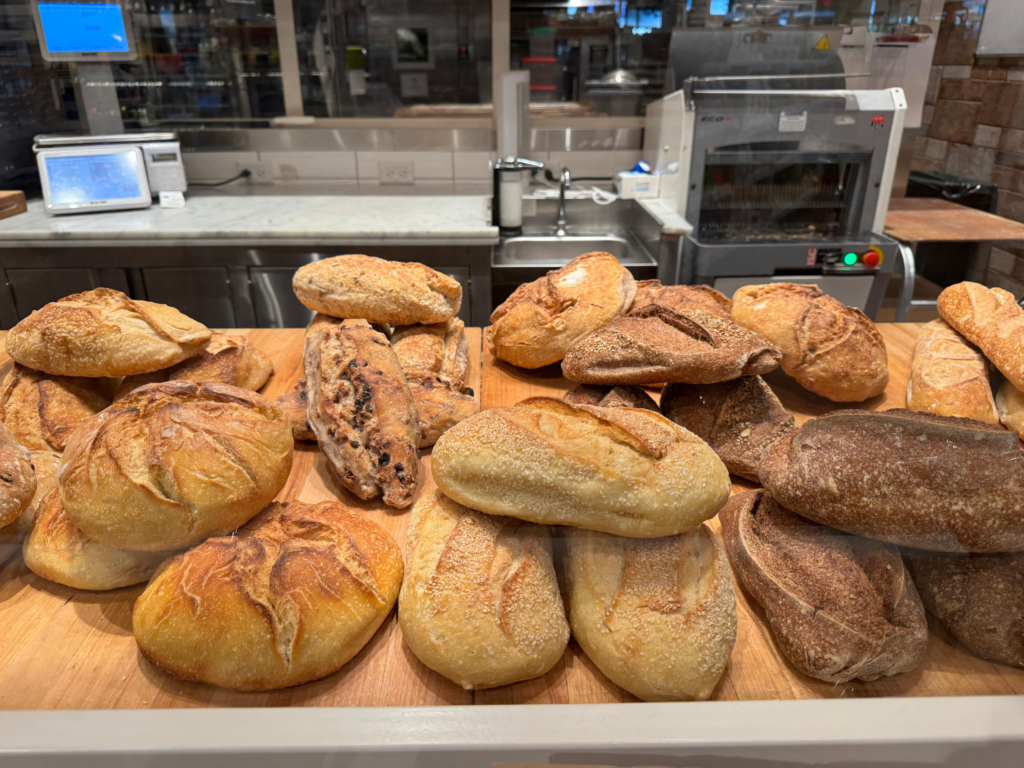
When I learned how to make a German pizza called ‘Flammkuchen’ which has no tomato sauce but uses sour cream, it was a great experience because pizzas till then had been about a lot of tomato sauce, cheese and vegetables.
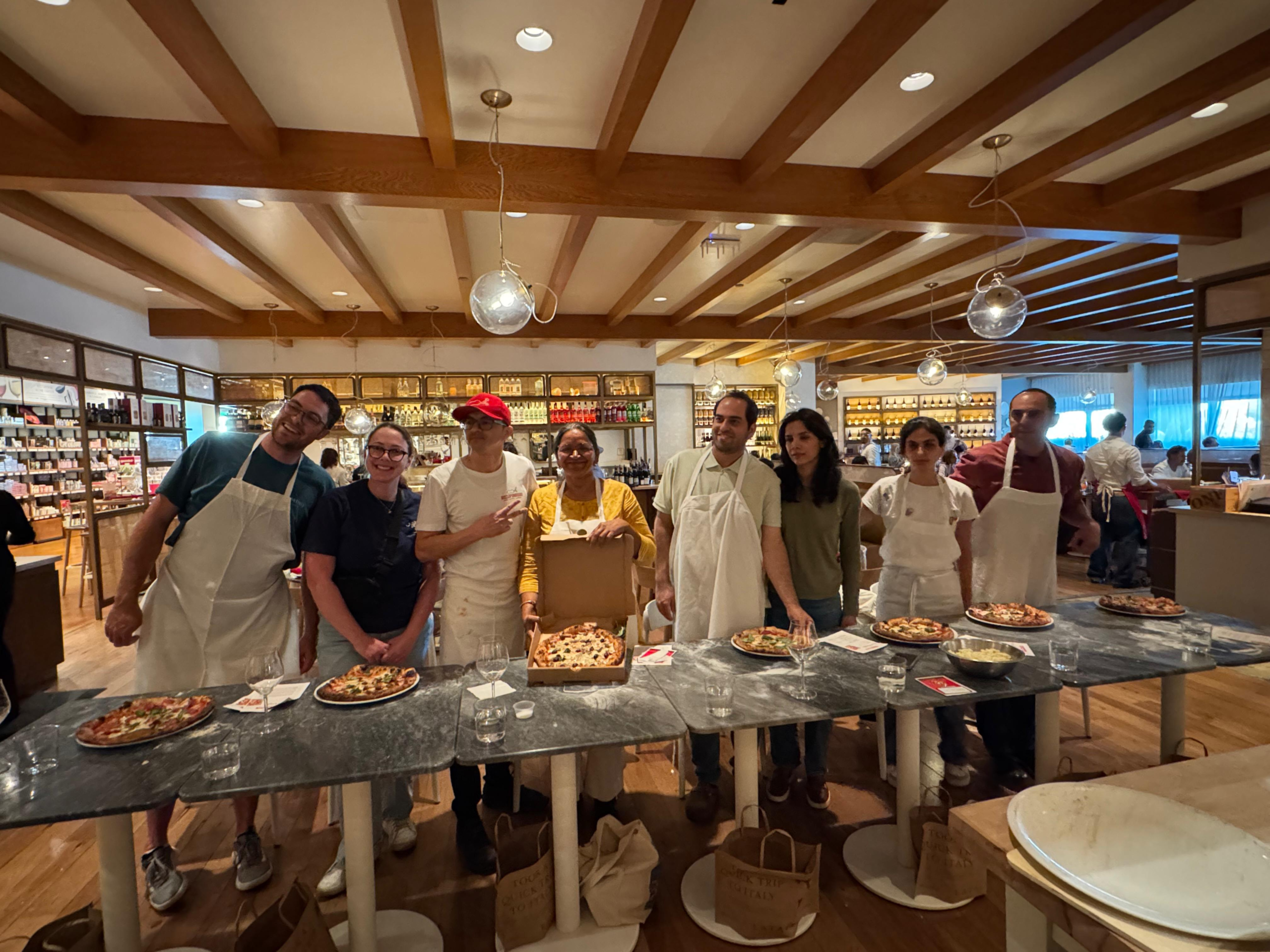
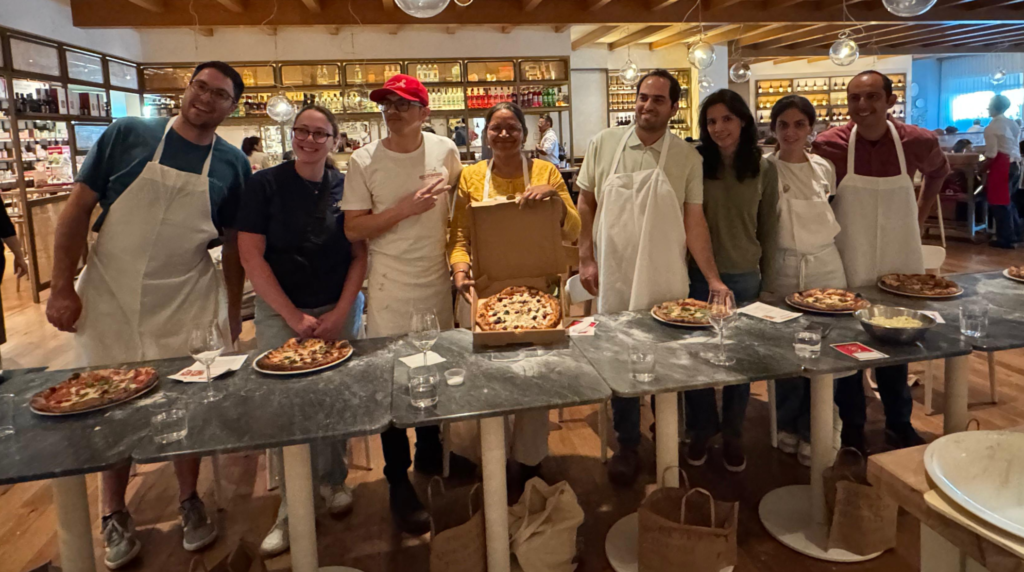
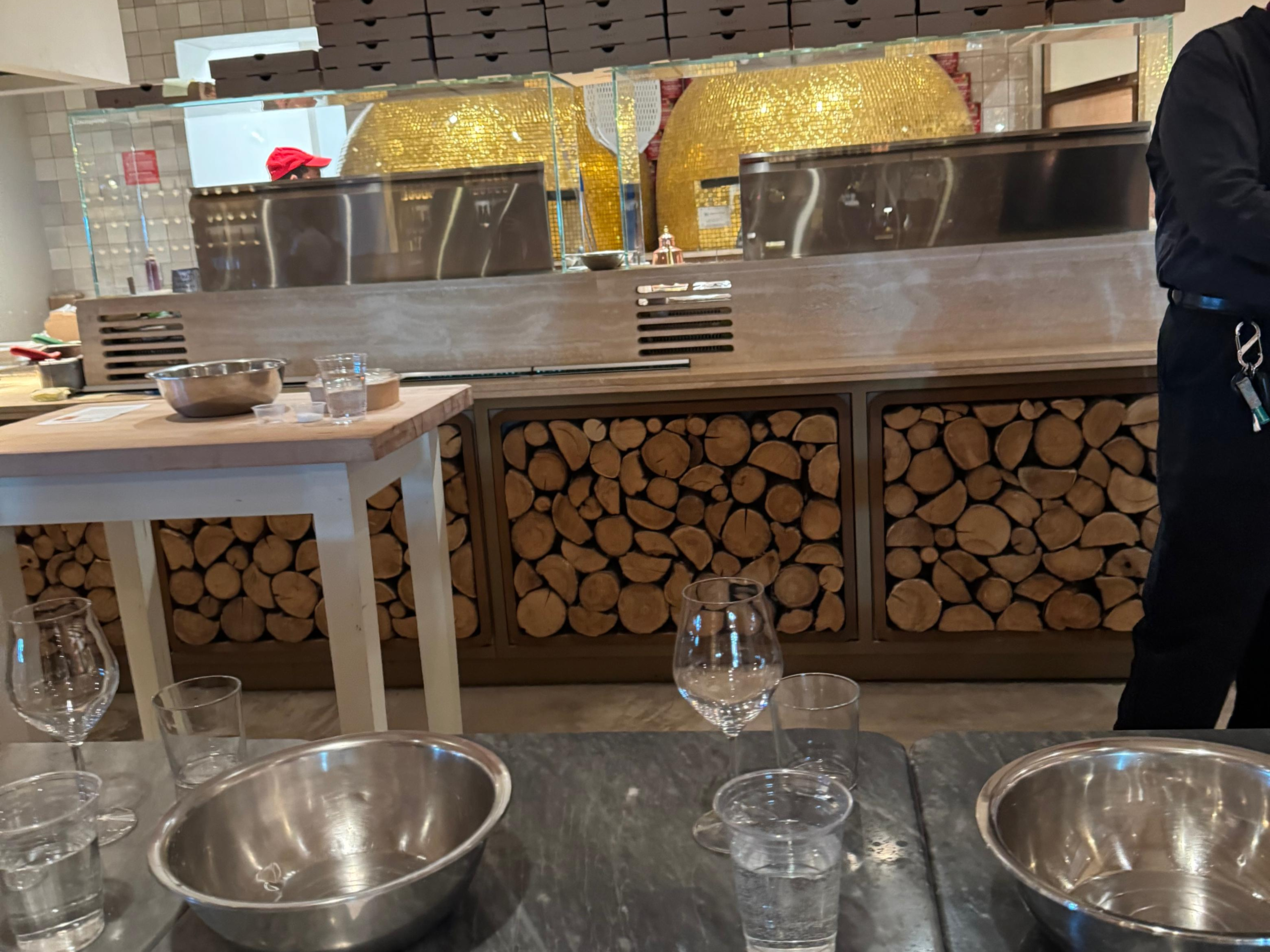
Then I always wanted to learn how to make the Neapolitan pizza but from the Italian master bakers. I got this opportunity a few days ago when in Santa Clara, California, I came to know about ‘Eataly’ one of the most famous Italian food/ pizza outlet with presence across the globe. Their motto is ‘Eat Shop Learn’ . Here I got an opportunity to learn how to bake Neapolitan pizza from scratch from an Italian master Baker and the experience was indeed wonderful.
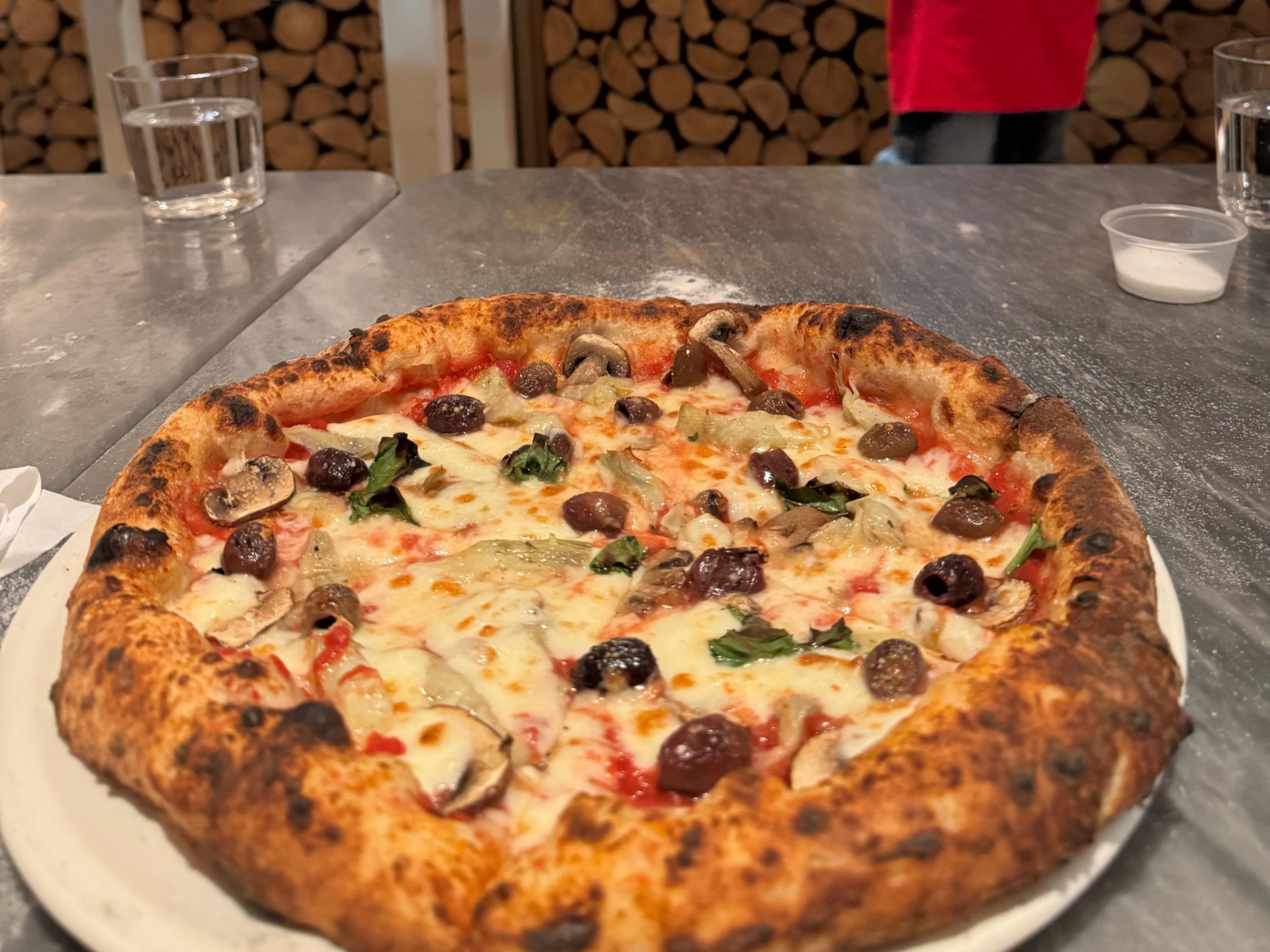
When people think of pizza, they often focus on the toppings—extra cheese, piles of exotic vegetables, generous amounts of sausages, or a rich sauce. Authentic Neapolitan pizza, however, tells a very different story.
True Neapolitan pizza is not defined by how much is placed on top of it. Instead, it is defined by the dough. The foundation of every great Neapolitan pizza begins with simple ingredients and a carefully crafted process. The dough is slowly fermented and proofed for an extended period, often spending many hours or even days in the refrigerator. This long, cold fermentation develops complex flavors, improves digestibility, and creates the light, airy texture that makes Neapolitan pizza so special.
Equally important are the authentic ingredients. High-quality flour, fresh tomatoes, premium olive oil, fresh mozzarella, and basil are not just toppings—they are essential elements that work together to highlight the dough rather than overpower it. Every ingredient has a purpose, and simplicity is celebrated.
The art of shaping the dough is another critical step. A Neapolitan pizza is never forced into shape with a rolling pin. Instead, it is gently stretched by hand to preserve the air bubbles created during fermentation. This technique allows the crust to rise beautifully in the oven, creating the characteristic soft center and light, airy cornicione (the outer crust).
Making an authentic Neapolitan pizza requires patience, skill, and respect for tradition. From the long proofing process to the careful selection of ingredients and the precise hand-shaping technique, every step matters. The result is not a pizza overloaded with toppings, but a balanced and elegant dish where the dough takes center stage.
The next time you enjoy a Neapolitan pizza, look beyond the cheese and toppings. The true magic lies in the dough, the craftsmanship, and the authentic ingredients that come together to create an unforgettable experience.
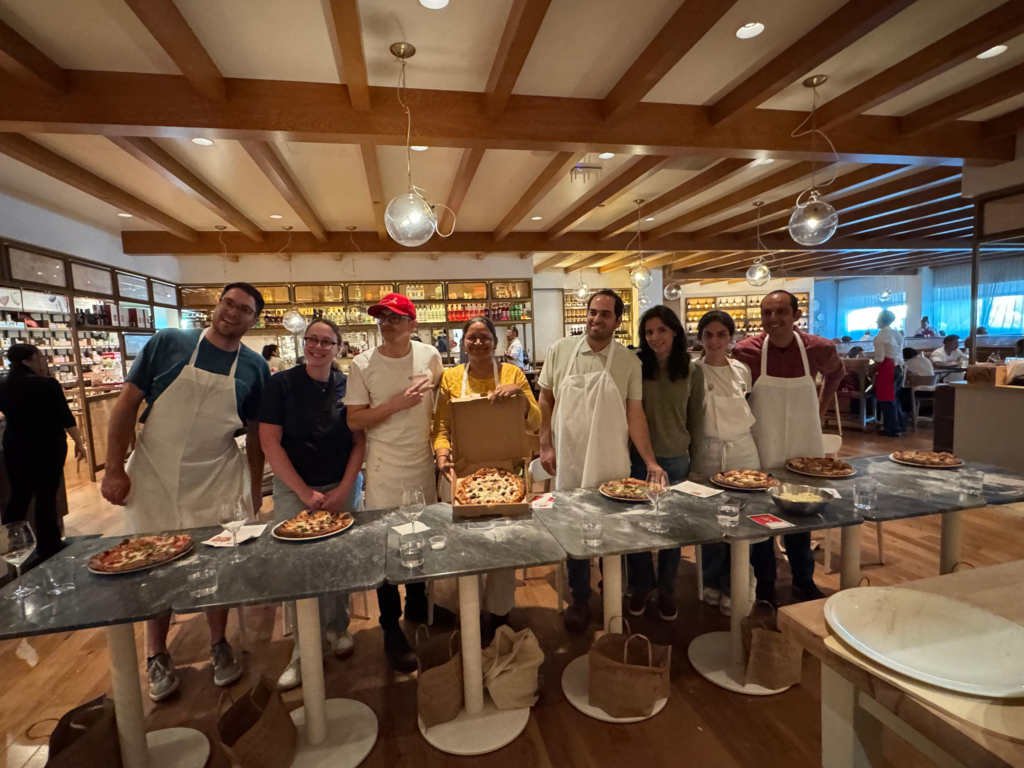
I’m looking forward to sharing thus knowledge gained from the Italian MasterChef with my students in my forthcoming online and off-line Baking workshops @ renusbreadbakers